Learn the six steps of installing pour-in-place rubber playground surfacing, from site planning and sub-base prep to the final cure.
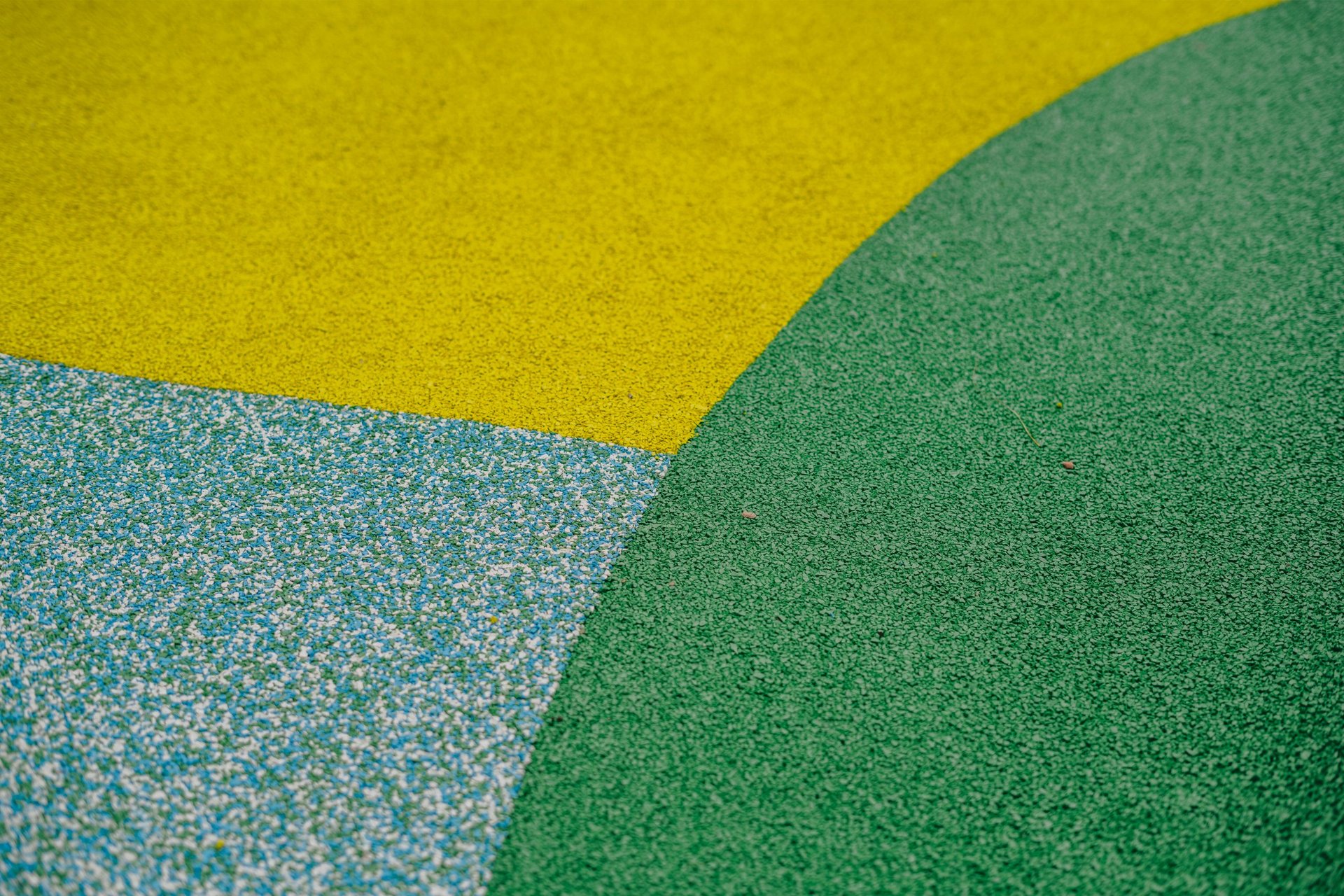
Pour-in-place (PIP) rubber is a seamless, two-layer safety surface poured and troweled by hand on site. It is one of the most popular commercial playground surfacing options for schools, parks, and HOAs because it is accessible, durable, and can be customized with colors and designs.
A PIP playground surface fis only as good as its installation. Each layer has a specific job, and skipping or rushing a step can lead to cracking, separation, or a surface that no longer protects against falls. Here is how a typical playground surfacing installation comes together, from planning to the final cure.
Most PIP systems use the same type of shock-absorbing base layer. The biggest choice owners make is the wearing surface on top, and specifically the type of binder that holds its rubber granules together.
More questions about rubber surfacing? Read our PIP rubber FAQ.
Every installation starts with the commercial playground equipment. The tallest accessible play point on each structure sets the critical fall height, and the surface must be thick enough to meet that height under ASTM F1292 impact attenuation standards.
During planning, the installer will:
This is also the time to account for local climate. In hot, sunny regions like Southern California and Arizona, UV exposure and surface heat factor into material and color choices, including which binder to use in the wearing surface.
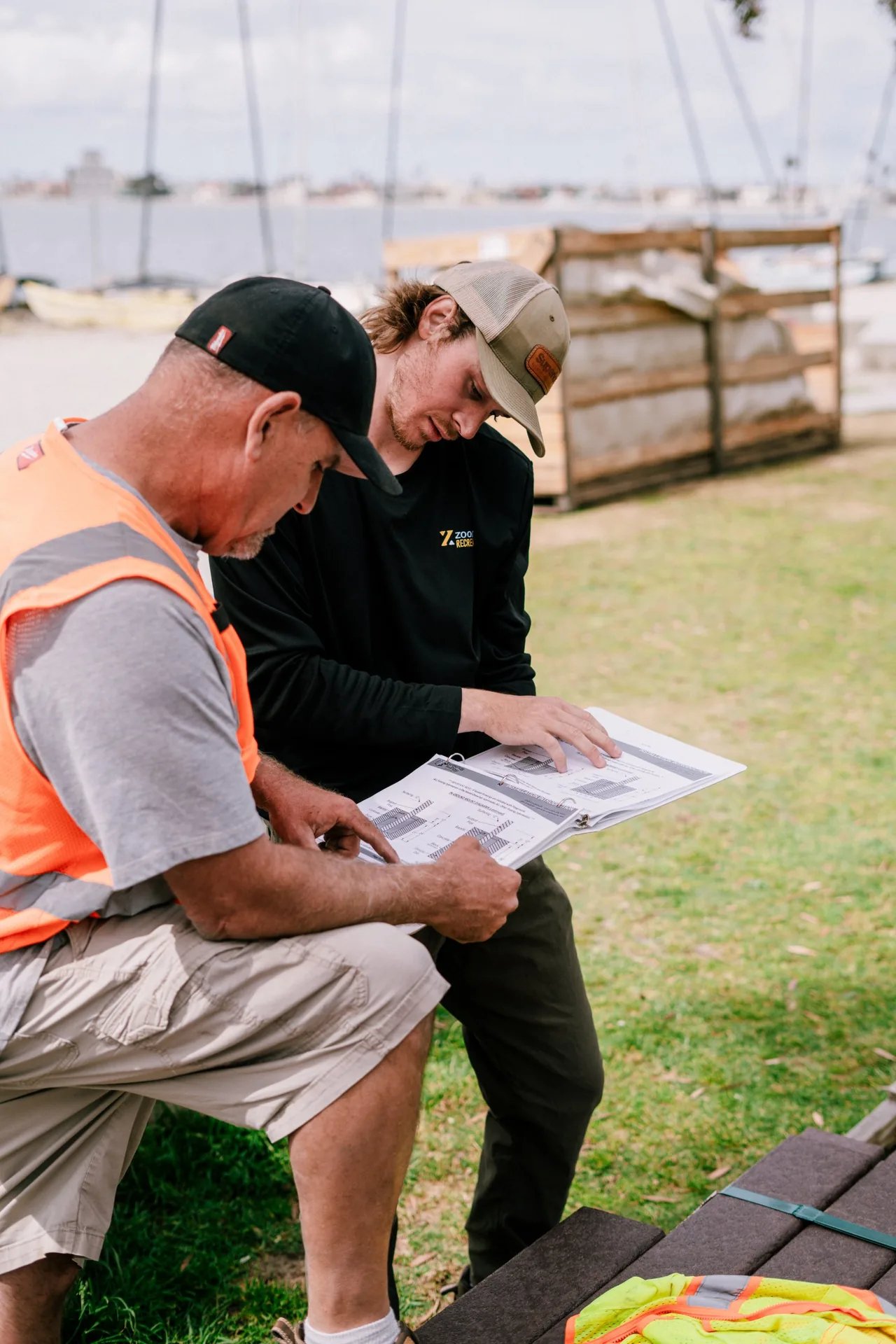
PIP rubber needs a stable, well-draining foundation. The area is excavated to the depth needed for both the sub-base and the rubber layers so the finished surface sits flush with surrounding walkways.
Because rubber playground flooring is porous, it can be installed over several sub-base types:
The sub-base is graded smooth and compacted to the manufacturer's specification. Any low spots or soft areas at this stage will show up in the finished surface later.
Before any rubber goes down, the playground surfacing installer prepares the perimeter and the base surface so the rubber bonds tightly and stays in place.
The base must be clean and dry for the primer to work. That is why PIP installs are scheduled around rain and heavy morning moisture.
The base layer does most of the work of absorbing impact. It is made from recycled rubber granules mixed on site with a binder. Granule quality matters. Rubber recycled from industrial products, such as EPDM and SBR hoses, tends to be cleaner and more consistent, with no wire, fiber, plastic, or wood mixed in.
The crew spreads the mix across the area and hand-trowels it to a consistent depth using screed guides. Thickness varies with the critical fall height from Step 1, so taller equipment means a thicker base. Areas under higher decks or swings may be poured deeper than the rest of the playground.
The base layer is allowed to set before the top layer goes on. Consistent depth here is key, since thin spots reduce fall protection.
The wearing surface is the colorful top layer kids actually play on. It is usually about half an inch thick and made from EPDM or similar rubber granules bound with resin. As covered above, the binder type affects how well the colors hold up in the sun.
This layer is hand-troweled to a smooth, even finish that is slip-resistant and porous, so water drains through instead of puddling. This is also where custom designs come to life:
Most playground surfacing installers offer a set of standard colors plus a wider premium palette. In hot climates, lighter colors can help keep surface temperatures down.

Many commercial playground installers split the topcoat pour across multiple days, leaving a visible seam down the middle of the finished surface. That seam is more than an eyesore. It becomes a weak point where moisture, wear, and shifting can cause the surface to separate over time.
To avoid a seam, the topcoat should be poured in one continuous session. When comparing play surfacing installers, ask whether they staff a full crew to finish the wearing surface in a single day.
Zoom Recreation's No-Seam Guarantee covers single areas under 3,000 total square feet. Learn more about Zoom Recreation's PIP playground surfacing.

Once the wear layer is down, the playground flooring needs time to cure before anyone walks on it. Cure time typically ranges from 24 to 72 hours depending on temperature and humidity, and the area stays fenced off until the binder has fully set.
Before the commercial playground reopens, the installer completes a final walkthrough to check:
Many owners also schedule impact attenuation testing to confirm the surface meets ASTM F1292 for the site's fall heights. This gives a documented baseline for future safety inspections. For more information about post-installation, read our rubber surfacing maintenance guide.
Zoom Recreation installs pour-in-place rubber surfacing across California and Arizona. Reach out to talk through fall heights, color options, and the right surfacing for your site. Contact Zoom Recreation.

Zoom Recreation strives to create efficient recreational spaces and provide exceptional customer service. Superior awarded us their highest President's Award and Gold Club Awards two years in a row.
Contact usAs the exclusive representative of Superior Recreational Products in your local area, Zoom is committed to recommending, providing and installing only the top products for all our customers.